EOG Resources

Sun, 2012-09-23 23:39Steve Horn
Steve Horn's picture

Climate SOS Ends with Shale Gas Outrage, Autumn Begins with Global Frackdown

Global grassroots activism is heating up alongside a scarily ever-warming climate.

Since the beginning of 2012, we've seen the Arab Spring, the Wisconsin Uprising, the Tar Sands Action, and the ongoing Keystone XL Blockade. In the climate justice movement, some have referred to the recently passed summer as the Climate Summer of Solidarity (SOS).

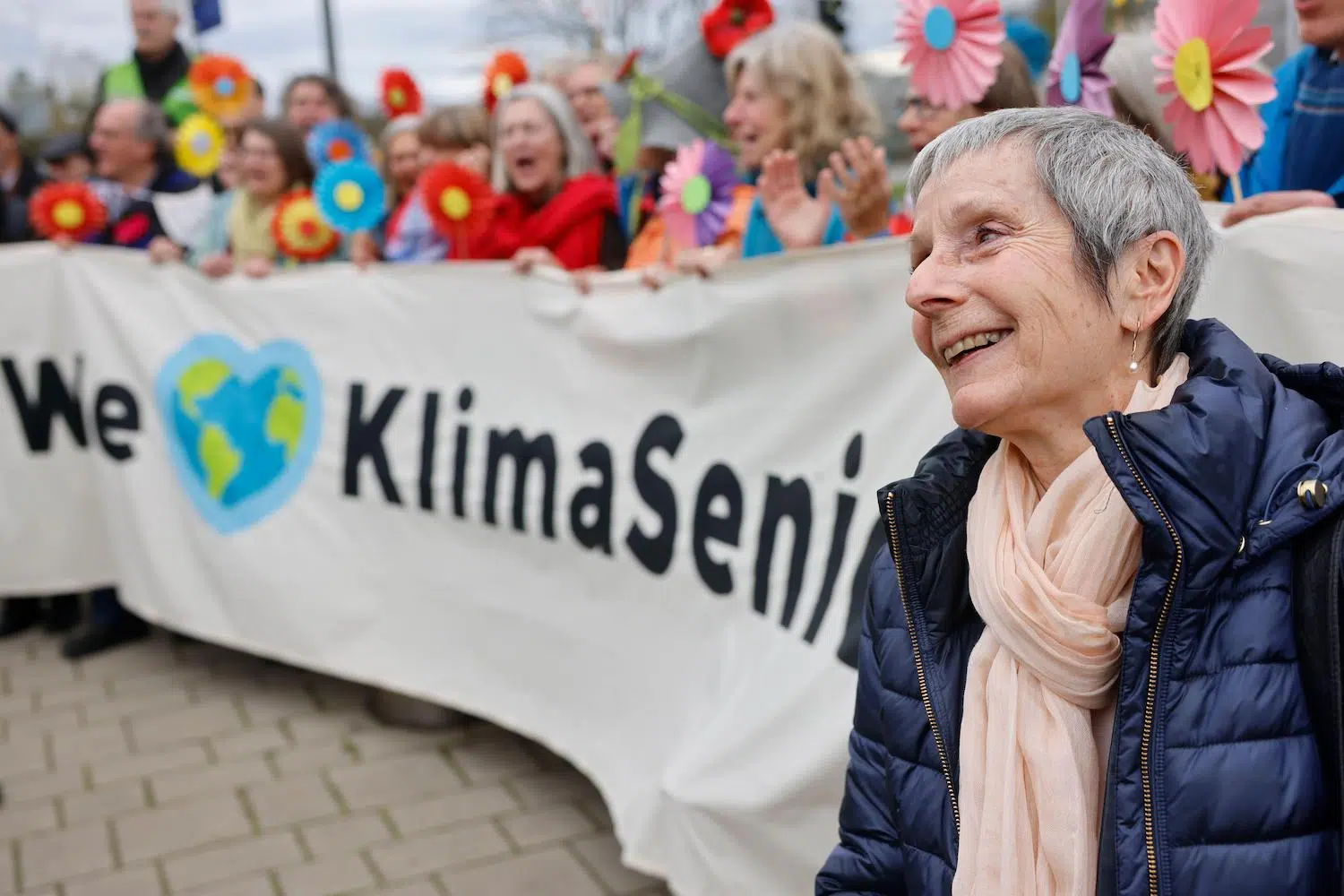
The SOS closed with an action organized by Protecting Our Waters called Shale Gas Outrage, which took place in the heart of the global fracking boom, Philadelphia, PA, home of the Marcellus Shale basin. Outrage was warranted, given that this year's Shale Gas Insight unfolded in the City of Brotherly Love. Insight was sponsored by Chesapeake Energy, Chevron, Range Resources, EOG Resources, Aqua America (who stands to profit off of water as a scarce resource via fracking), and many others.

Speakers at the pre-march rally included the likes of "Gasland" Producer and Director Josh Fox, author and ecologist Sandra Steingraber, environmental journalist and activist Bill McKibben and Food and Water Watch Executive Director Wenonah Hauter; former Pittsburgh City Council member and writer of the ordinance that banned fracking in the city, Doug Shields, as well as members of the Pennsylvania community whose livelihoods have been deeply affected at the hands of the shale gas fracking industry. 

Upon the rally's completion, activists zig-zagged up and down Philly's streets, making stops at the Obama for President campaign headquarters and Governor Tom Corbett's campaign headquaters.   

Fri, 2012-07-06 03:00Steve Horn
Steve Horn's picture

EOG Resources: The Gas Corporation That Does It All From Cradle to Grave

DeSmogBlog, on multiple occasions, has reported that the damage caused by hydraulic fracturing, or "fracking" in the unconventional oil and gas industry goes far beyond water contamination, put in the spotlight by the documentary film "Gasland." The multi-pronged harms were tackled in a comprehensive manner in our report, "Fracking the Future."

One corporation in particular, EOG Resources, epitomizes the shale gas lifecycle from cradle to grave and the damage it is causing in communities worldwide. 

Who is EOG? The Artist Formerly Known as Enron

EOG Resources -- owned by CEO Mark Papa -- is the born again sibling of the now disgraced corporation, Enron Oil and Gas, hence "EOG." It is headquarted in Houston, TX.

Former President and Chief Opearing Officer of Enron, Richard Kinder, recently referred to by The Wall Street Journal as "The Luckiest Ex-Enron Employee," now co-owns oil and gas industry pipeline giant, Kinder Morgan

After the fall of Enron, Kinder Morgan purchased Enron's pipeline assets and built up the Kinder Morgan behemoth into what it is today, the corporation with the most extensive array of pipelines in North America.

Fri, 2012-06-29 10:47Steve Horn
Steve Horn's picture

Sand Land: Frac Sand Mining in Western Wisconsin - Video Report by DeSmogBlog

The rush to drill for unconventional gas, enabled by a process popularly known as "fracking," or hydraulic fracturing, has brought with it much collateral damage. Close observers know about contaminated water, earthquakes, and climate change impacts of the shale gas boom, but few look at the entire life cycle of fracking from cradle to grave.

Until recently, one of the most underlooked facets of the industry was the "cradle" portion of the shale gas lifecycle: frac sand mining in the hills of northwestern Wisconsin and bordering eastern Minnesota, areas now serving as the epicenter of the frac sand mining world.

The silence on the issue ended after several good investigative stories were produced by outlets in the past year or so, such as Wisconsin WatchPR WatchThe Wisconsin State Journal, the Associated PressThe Wall Street JournalOrionEcoWatch, and most recently, Tom Dispatch. These various articles, all well worth reading, explain the land grab currently unfolding in the Midwest and the ecological damage that has accompanied it

To put it bluntly, there could be no shale gas extraction without the sand. As Tom Dispatch's Ellen Cantarow recently explained,

That sand, which props open fractures in the shale, has to come from somewhere. Without it, the fracking industry would grind to a halt. So big multinational corporations are descending on this bucolic region to cart off its prehistoric sand, which will later be forcefully injected into the earth elsewhere across the country to produce more natural gas. Geology that has taken millions of years to form is now being transformed into part of a system, a machine, helping to drive global climate change.

Frac sand, which consists of fine-grained sillica, can cause the respiratory illness, silicosis. Washing the frac sand in preparation for the fracking process is also a water intensive process, particularly threatening in the age of increasing water scarcity in the United States and around the world.

Stay tuned for much more to come from DeSmogBlog on one particularly powerful sand-mining corporation, EOG Resources, formerly known as the now infamous Enron Oil and Gas, a little explored fossil fuel industry giant that does it all: frac sand miningfrackingpipelines, and LNG terminals.

Image credit: Sara Jerving | PRWatch


Wed, 2012-06-06 08:36Steve Horn
Steve Horn's picture

TransCanada's Latest Extreme Energy Export Pipelines in the U.S. and Canada

TransCanada was once in the limelight and targeted for its Keystone XL pipeline project. Now, with few eyes watching, it is pushing along two key pipeline projects that would bring two respective forms of what energy geopolitics scholar Michael Klare calls "extreme energy" to lucrative export markets.

Pipeline one: the southern segment of the originally proposed TransCanada Keystone XL tar sands pipeline, popularly referred to as the Cushing Extension, but officially referred to as either the Gulf Coast Project or the Cushing Marketlink pipeline. This pipeline will carry tar sands crude, or "dilbit," extracted from Alberta, Canada's Athabasca oil sands project southward first to Cushing, Oklahoma, and then to Port Arthur, Texas, where it will be shipped off to global export markets.

While the northern Alberta-to-Cushing segment has been punted until after election season by President Barack Obama's U.S. State Department, the Cushing-Port Arthur segment has been rammed through in a secrective manner by various Obama regulatory agencies, as pointed out recently by Friends of the Earth-U.S. (FOE-U.S.). 

FOE-U.S. explained in a long blog post published on June 5, well worth reading in its entirity,

Thu, 2011-10-27 13:34Brendan DeMelle
Brendan DeMelle's picture

Massive Natural Gas Export Deal Inked by BG Group, So Much for Industry's "Domestic Energy" Claims

The natural gas industry's favorite public relations ploy about the necessity of hydraulic fracturing (fracking), the process through which "clean natural gas" is now procured, is that the patriotic gas industry is championing the shale gas boom for domestic consumption and for "national security purposes." We now know definitively that this is pure propaganda.

Enter the smoking gun, a 20-year $8 billion agreement signed between BG Group, short for British Gas Group, and Houston-based Cheniere Energy.

The deal calls for BG Gas to export liquefied natural gas, or LNG (natural gas that has been converted temporarily to liquid form for ease of storage or transport), from Cheniere's Sabine Pass LNG export terminal, located on the Gulf Coast in Louisiana, out to the highly profitable global market, chiefly in Asia and Europe. 

Reuters referred to the deal as "a new chapter in the shale gas revolution that has redefined global markets."

The Wall Street Journal reports that BG is thrilled that it will now be able to "buy gas comparatively cheaply and sell it for much higher prices in Europe and Asia." The deal is just the beginning of a huge industry rush to export U.S. gas, according to the paper:

 Energy companies in the U.S., Canada and Australia are planning or have already begun building more than a dozen projects to liquefy and export natural gas as they seek to capitalize on growing demand for liquid-gas imports. Asia is the hottest market: its demand for liquefied gas is expected to grow 68% between 2010 and 2020, according to advisory firm Poten & Partners.

Subscribe to EOG Resources