Sabine Pass

Sat, 2013-05-18 06:00Steve Horn
Steve Horn's picture

Friday Trash Dump: Obama DOE Approves 2nd Fracked Gas LNG Export Terminal

Friday is the proverbial "take out the trash day" for the release of bad news among public relations practitioners and this Friday was no different. 

In that vein, yesterday the Obama Department of Energy (DOE) announced a conditional approval of the second-ever LNG (liquefied natural gas) export terminal. 

LNG is the super-chilled final product of gas obtained - predominantly in today's context - via the controversial hydraulic fracturing ("fracking") process taking place within shale deposits located throughout the U.S. Fracked gas is shipped from the multitude of domestic shale basins in pipelines to various coastal LNG terminals, and then sent on LNG tankers to the global market.

The name of the terminal: Freeport LNG.

Freeport LNG is 50-percent owned by ConocoPhillips and located in Freeport, Texas, an hour-long car ride south of Houston. The export facility is the second one approved by the Obama DOE, with the first one - the Sabine Pass terminal, owned by Cheniere and located in Sabine Pass, Louisiana - approved in May 2011

DOE gave its rubber stamp of approval to Freeport LNG to export up to 1.4 billion cubic feet of LNG per day from its terminal. 

Tue, 2013-01-29 05:00Steve Horn
Steve Horn's picture

Congressmen Supporting LNG Exports Received $11.5 Million From Big Oil, Electric Utilities

On Jan. 25, 110 members of the U.S. House of Representatives - 94 Republicans and 16 Democrats - signed a letter urging Energy Secretary Steven Chu to approve expanded exports of liquified natural gas (LNG).

It was an overt sign of solidarity with the Obama Administration Department of Energy's (DOE) LNG exports study, produced by a corporate consulting firm with long ties to Big Tobacco named NERA Economic Consulting (NERA is short for National Economic Research Associates), co-founded in 1961 by the "Father of Deregulation," Alfred E. Kahn. That study concluded exporting gas obtained from the controversial hydraulic fracturing ("fracking") process - sent via pipelines to coastal LNG terminals and then onto tankers - is in the best economic interests of the United States.  

A DeSmogBlog investigation shows that these 110 signatories accepted $11.5 million in campaign contributions from Big Oil and electric utilities in the run-up to the November 2012 election, according to Center for Responsive Politics data.

Big Oil pumped $7.9 million into the signatories' coffers, while the remaining $3.6 million came from the electric utilities industry, two industries whose pocketbooks would widen with the mass exportation of the U.S. shale gas bounty. Further, 108 of the 110 signers represent states in which fracking is occuring.  

Fri, 2011-12-09 10:24Steve Horn
Steve Horn's picture

Fracking Ohio's Utica Shale to "Boost Local Economy"? A "Total" Sham

It is a well-known fact that the unconventional gas industry is involved in an inherently toxic business, particularly through hydraulic fracturing ("fracking"), which the EPA just confirmed has contaminated groundwater in Wyoming. The documentary film "Gasland," DeSmogBlog's report "Fracking the Future: How Unconventional Gas Threatens our Water, Health, and Climate," and numerous other investigations, reports, and scientific studies have echoed the myriad problems with unconventional oil and gas around the globe.

What is less well-known, but arguably equally as important, is who exactly stands to benefit economically from the destruction of our land, air, and water in the gas industry's rush to profit from the fracking bonanza. The U.S oil and gas industry would have us believe that they are principally focused on ushering in American energy independence. But their claims are increasingly suspect as the real motivation of this industry becomes clearer by the day.

A hint: it's not the small "mom and pop," independent gas companies, but multinational oil and gas corporations. Another hint: it's often not even American multinational oil and gas corporations, but rather, foreign-based multinational oil and gas corporations who stand to gain the most.

France's Total S.A. Enters Ohio's Utica Shale, as well as Uganda, South Sudan and Kenya

On December 7, Bloomberg's Businessweek reported that Total S.A. is positioning itself to acquire 25 percent of Chesapeake Energy’s stake in Ohio's Utica Shale, valued at $2.14 Billion

Total S.A., the largest oil and gas producer in France, is a multinational corporation perhaps most notorious for its involvement in Iraq's "Oil-For-Food" scandal. In 2010, Total S.A. was accused of bribing former Iraqi dictator Saddam Hussein's officials to secure oil supplies. 

Thu, 2011-12-01 14:43Steve Horn
Steve Horn's picture

LNG Groundhog Day: Cheniere Energy Signs Yet Another Gas Export Deal on Gulf Coast

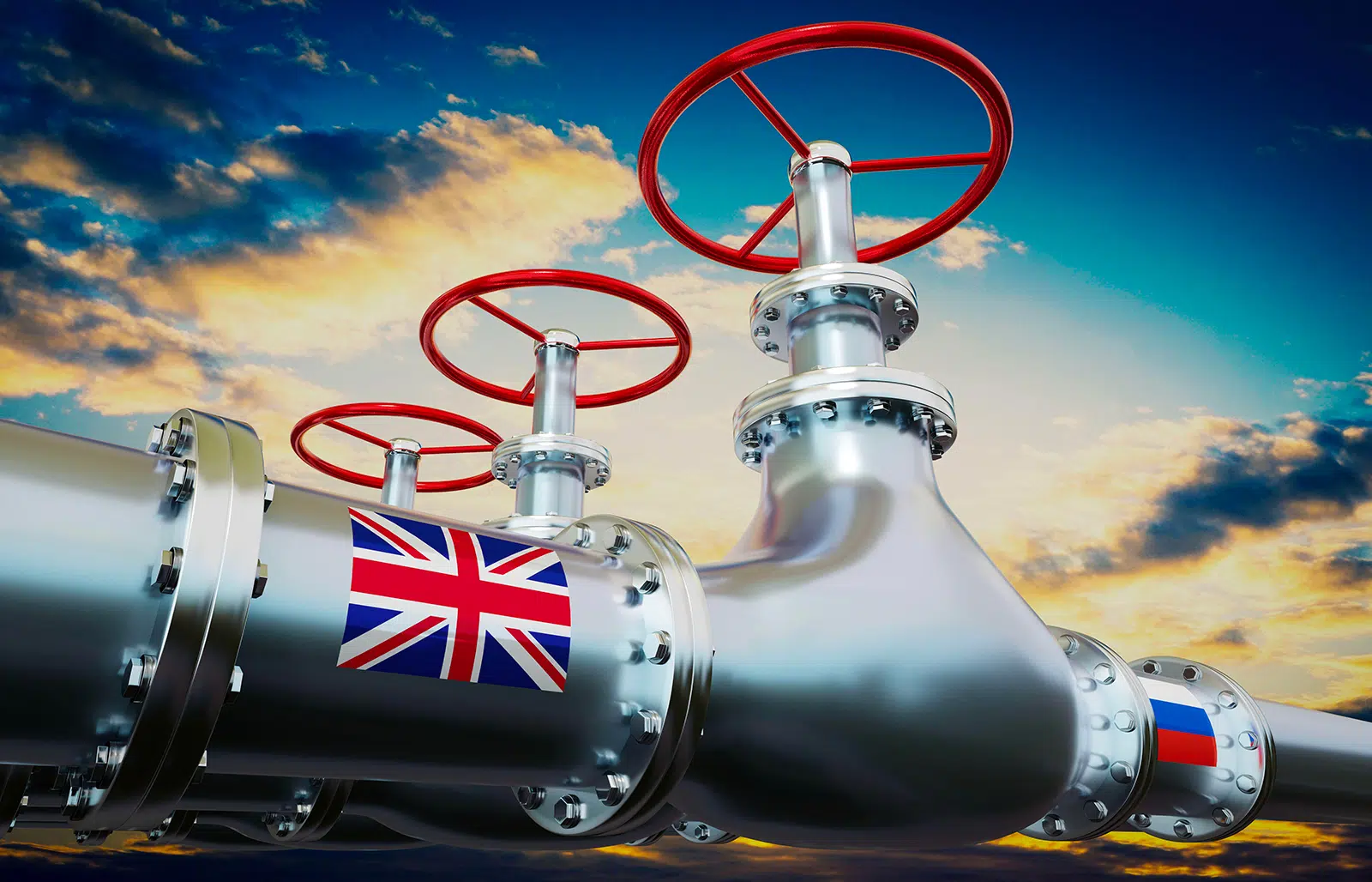
Credit: Oleksandr Kalinichenko / Shutterstock

Another day, another unconventional gas export deal signed. Nascent North American LNG (liquefied natural gas) export deals are happening so fast and furiously that it is hard to keep track of them all.

The latest: On November 21, Cheniere Energy Partners signed a 20-year LNG export deal with Gas Natural Fenosa, an energy company which operates primarily in Spain but also in such countries as Italy, Mexico, Colombia, Argentina, and Morocco. Cheniere will maintain the Sabine Pass LNG export terminal located off of Sabine Lake between Texas and Louisiana, which feeds into the Gulf of Mexico, while Gas Natural Fenosa will ship the gas to the global market.

Cheniere, which made waves when its CEO Charif Souki announced that his corporation's business model would center exclusively around LNG export terminals, also recently signed a 20-year export deal with BG Group, short for British Gas Group.

Like the recent export deal with BG Group, which involves carrying fracked unconventional gas from various shale basins around the United States via pipelines to the Sabine Pass LNG export terminal, the Gas Natural Fenosa deal also centers around the export of gas from Sabine Pass to the global market.

Subscribe to Sabine Pass