reuters

Tue, 2012-10-23 05:00Steve Horn
Steve Horn's picture

As You Sow: Coal Investments, Shale Gas, a Bad Bet

In a missive titled "White Paper: Financial Risks of Investments in Coal," As You Sow concludes that coal is becoming an increasingly risky investment with each passing day. The fracking boom and the up-and-coming renewable energy sector are quickly superseding King Coal's empire as a source of power generation, As You Sow concludes in the report.

As You Sow chocks up King Coal's ongoing demise to five factors, quoting straight from the report:

1. Increasing capital costs for environmental controls at existing coal plants and uncertainty about future regulatory compliance costs

2. Declining prices for natural gas, a driver of electric power prices in competitive markets

3. Upward price pressures and price volatility of coal

4. High construction costs for new coal plants and unknown costs to implement carbon capture and storage

5. Increasing competitiveness of renewable generation resources

Wed, 2012-08-01 08:05Brendan DeMelle
Brendan DeMelle's picture

A "War on Shale Gas"?

Since late 2009, there’s been a slowly-growing wave of attacks from the unconventional oil and gas industry on media outlets that cover the controversies surrounding hydraulic fracturing (fracking) and other shale gas practices. Reporters who write for publications ranging from Rolling Stone to Reuters to the New York Times have had their professional bona fides called into question after unearthing documents and facts that challenge claims that fracked shale gas is cheap, abundant, and clean.

These industry attacks on media occur against the backdrop of a larger campaign to establish unconventional oil and gas at the forefront of the nation’s energy options.

Only a few years ago, it seemed likely that gas would increasingly be a mainstay of power generation, especially in the wake of high profile disasters like the Massey Upper Big Branch coal mine disaster and the BP oil gusher in the Gulf of Mexico. The industry (at the time) received support from surprising allies like the Sierra Club and the Center for American Progress. Fukushima tarnished the nuclear industry, further shifting momentum towards shale gas for utility-scale electricity generation.

But a popular movement fueled by growing concerns about water contamination and public health impacts posed by fracking, coupled with a clearer look by press and by Wall Street analysts at the industry’s claims, has threatened to derail the ascendency of unconventional gas.

Quite often, rather than responding to the issues raised in a responsible fashion, industry PR shops have questioned the motives and qualifications of journalists who investigate the problems with shale gas development, and especially those who delve into the industry’s economic prospects.

Fri, 2012-02-03 13:00Steve Horn
Steve Horn's picture

Warren Buffett Exposed: The Oracle of Omaha and the Tar Sands

Credit: Pete Souza, Office of the President

On January 23, Bloomberg News reported Warren Buffett's Burlington Northern Santa Fe Railway (BNSF), owned by his lucrative holding company Berkshire Hathaway, stands to benefit greatly from President Barack Obama’s recent cancellation of the Keystone XL pipeline

If built, TransCanada's Keystone XL (KXL) pipeline would carry tar sands crude, or bitumen (“dilbit”) from Alberta, B.C. down to Port Arthur, Texas, where it would be sold on the global export market

If not built, as revealed recently by DeSmogBlog, the grass is not necessarily greener on the other side, and could include increased levels of ecologically hazardous gas flaring in the Bakken Shale, or else many other pipeline routes moving the prized dilbit to crucial global markets.

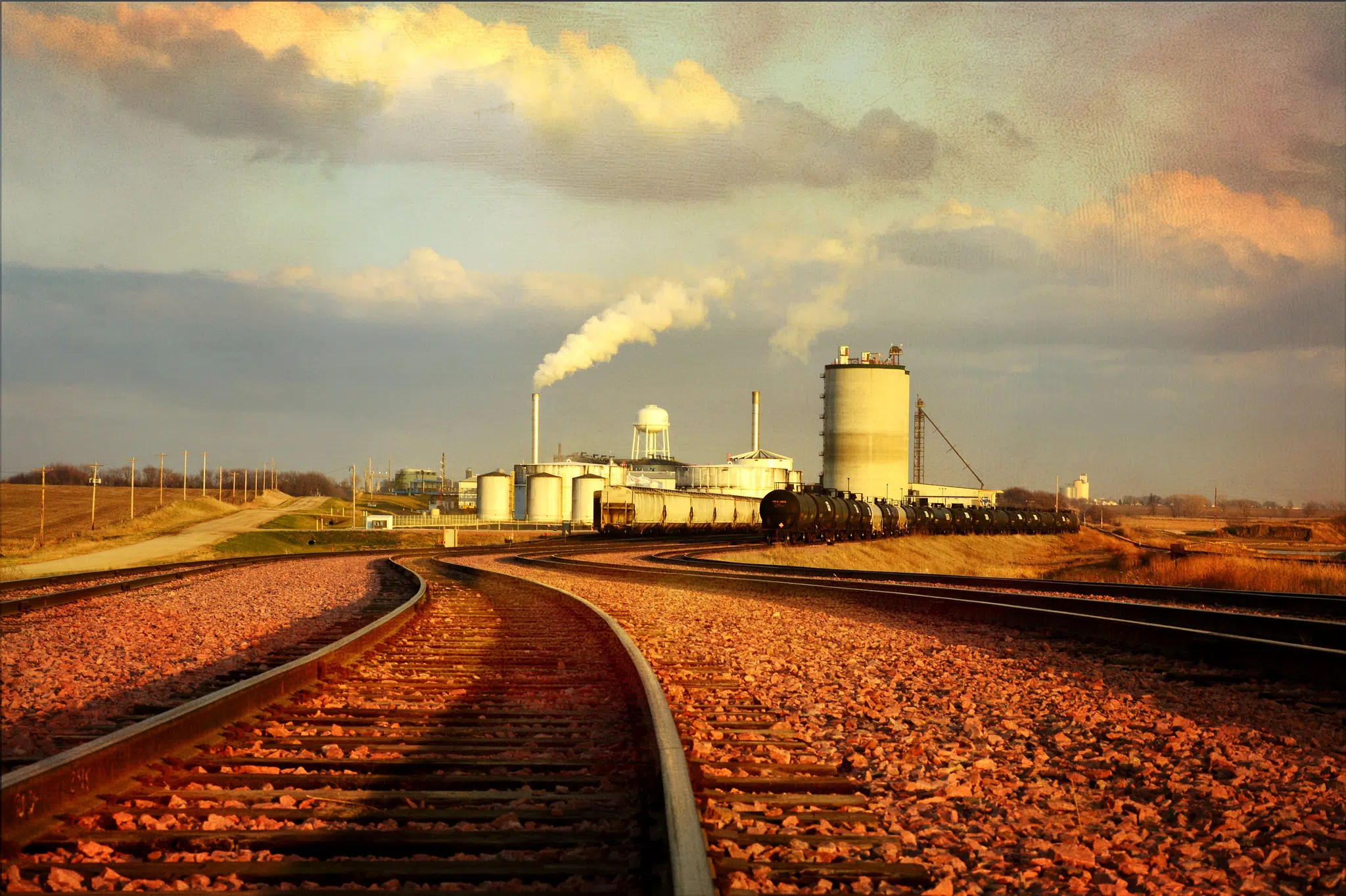
Rail is among the most important infrastructure options for ensuring tar sands crude still moves to key global markets, and the industry is pursuing rail actively. But transporting tar sands crude via rail is in many ways a dirtier alternative to the KXL pipeline. “Railroads too present environmental issues. Moving crude on trains produces more global warming gases than a pipeline,” explained Bloomberg.

A key mover and shaker behind the push for more rail shipments is Warren Buffett, known by some as the “Oracle of Omaha” -- of "Buffett Tax" fame -- and the third richest man in the world, with a net worth of $39 billion. With or without Keystone XL, Warren Buffett stands to profit enormously from multiple aspects of the Alberta Tar Sands project. He also, importantly, maintains close ties with President Barack Obama.

Thu, 2011-02-03 14:42TJ Scolnick
TJ Scolnick's picture

Oil Industry Spins Subsidies Discussion In Wake of President Obama's State of the Union Address

In his State of the Union address, President Obama urged Congress to stop subsidizing oil companies and set a goal for 80% of electricity generated by 2035 to come from "clean" energy sources. While there is much dispute over some of the technologies included in the "clean" category, the President is proposing some wise investments in genuine cleantech. To pay for low-carbon energy alternatives, the President proposed $302 million for solar energy research and development (up 22 percent); $123 million for wind energy (a 53 percent increase); and $55 million for geothermal energy (up 25 percent).

But fossil fuels subsidies are holding back growth in burgeoning clean energy industries, which face a momumental challenge to compete with entrenched industries that receive far greater government subsidies.

And when it comes to oil subsidies, the President says enough is enough:

"...I’m asking Congress to eliminate the billions in taxpayer dollars we currently give to oil companies. I don’t know if you’ve noticed, but they’re doing just fine on their own. So instead of subsidizing yesterday’s energy, let’s invest in tomorrow’s."

Thu, 2006-10-05 08:45Kevin Grandia
Kevin Grandia's picture

"Flat Earthers" absent from G8 climate change talks

Environment and energy Ministers from the world's most polluting countries, including China, India, Brazil and the G9 members, met in Mexico this week to discuss the urgent need to tackle climate change and green house gas emissions.
Subscribe to reuters